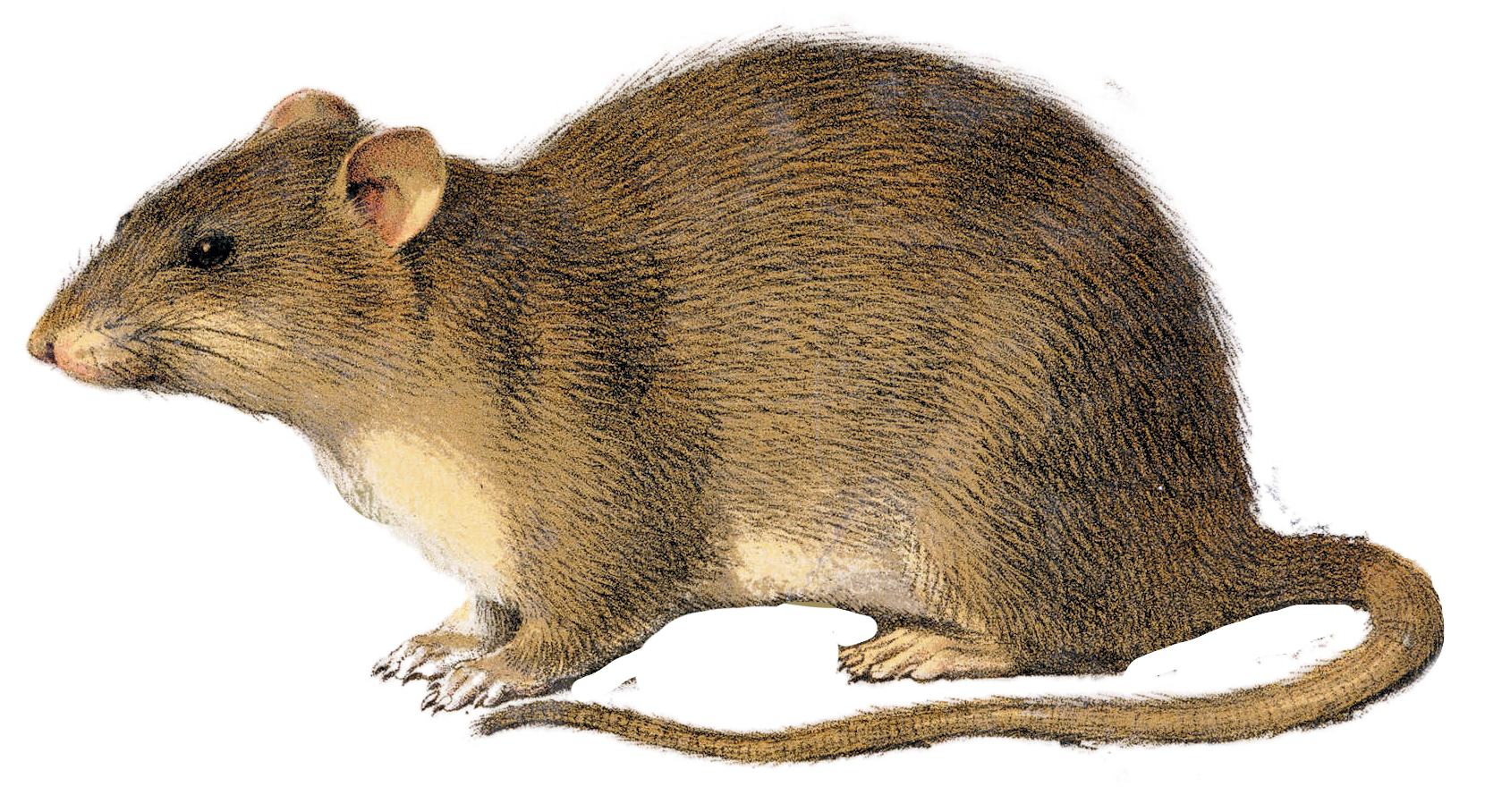
Newfoundland has had its share of unwanted visitors over the centuries. Some came looking for adventure, others for opportunity… And some came as furry, long-tailed stowaways, determined to make a ‘go’ of whatever they found
I'm talking, of course, about rats.
They've been getting into places where they're not wanted, eating things that don't belong to them and generally making a nuisance of themselves for generations. From ships in St. John's harbour to the mines of Bell Island, rats have a long history of making life miserable for the people who would rather they weren't around.
Trespassers & Tragedy
Rats aren't native to Newfoundland, or even North America. They arrived on the island from Europe as stowaways aboard ships. Crews didn't want them there and took measures to eradicate them.
In August 1828 one such attempt made the news.
According to the Public Ledger, the brig Constantia was tied up in St. John's harbour and infested with rats and mice. Her captain, a man by the name of Moyse, decided that the best way to deal with the problem was to fumigate the ship. He sent the crew ashore while the vessel was filled with carbonic acid(which releases carbon dioxide in the presence of water). The doors and hatches were secured, presumably to prevent the gas from escaping and to keep anyone from inadvertently breathing the poisonous air.
But then, something went terribly wrong.
When the crew returned, they discovered a man aboard. Adolphus Becker, one of their own, was lying at the foot of the ladder. He had apparently broken open a hatch and gone back aboard the vessel.
Why Becker returned to the ship is unknown. He was aware of the risks; he had nailed the doors shut himself.
Perhaps he'd forgotten something. Or maybe he’d underestimated the power of the gas.
Whatever the reason, the attempt to control the rat population had cost him dearly. As the newspaper put it, "the vital spark had forever fled."
In other words, he was dead.
Signal Hill
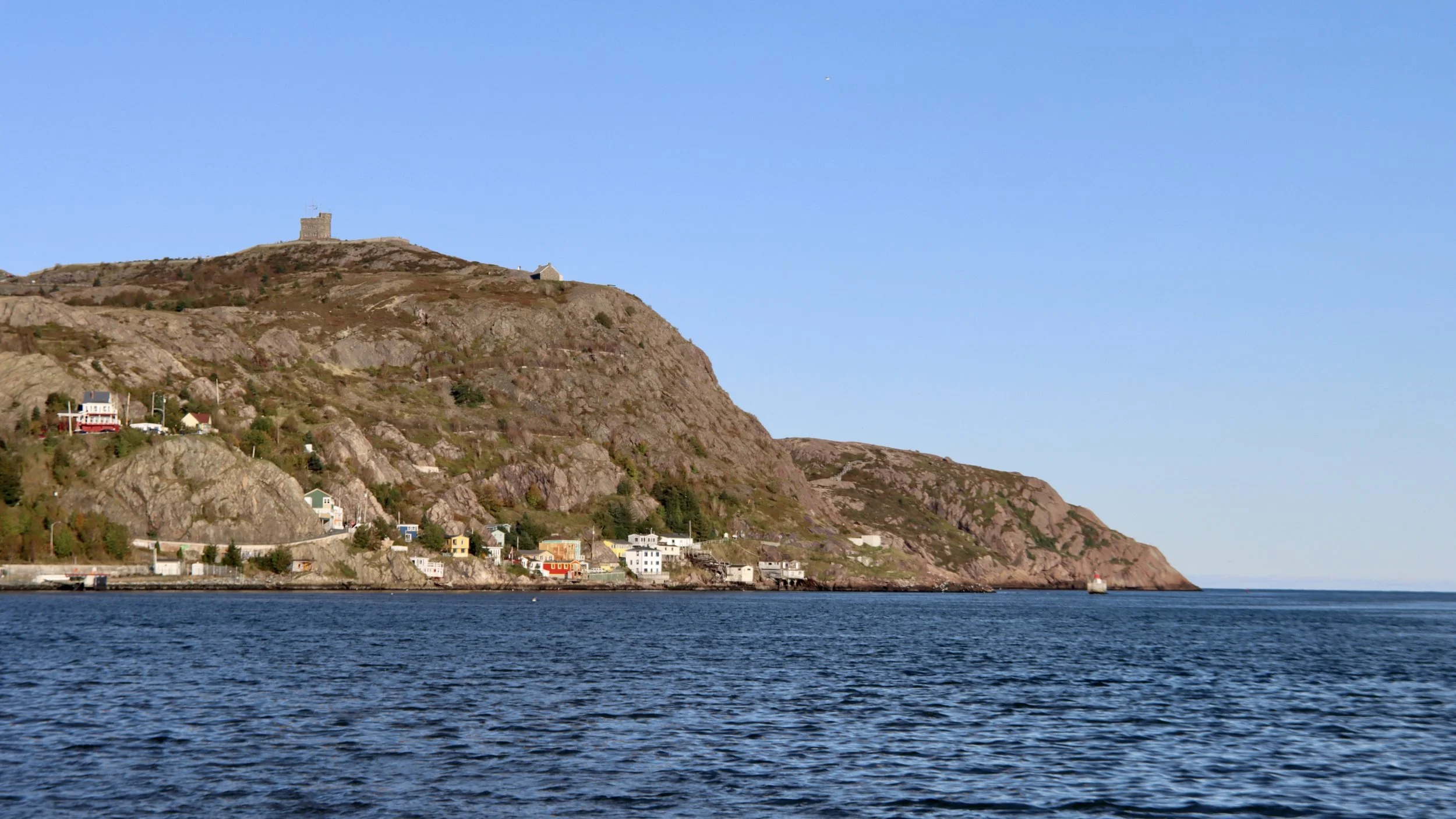
It might be nice to think that Becker's death came in the service of curbing the island's burgeoning rat population, but that isn't really how things turned out. Despite the carbonic acid treatment of ships, rats continued to find their way ashore. And once they did, they found everything they needed to flourish.
By 1840, the guardhouse on Signal Hill was reportedly so infested with rats that the guards were forced to abandon the building and sleep outside in tents. You have to wonder just how bad things were when the best option was just giving the rats the keys.
Bell Island
Outside St. John's, rats became a nuisance in the mines of Bell Island. Feasting on the food intended for the mine horses, they reportedly grew to the size of cats. You can find recollections of the mine rats on the Historic Wabana website.
Beneath Water Street
In 1947, the Sunday Herald of St. John's ran a headline claiming, "City's Rat Colony Estimated at 10,000,000."
"The city of St. John's is literally rat infested," the paper went on. "A Sunday Herald reporter counted a score of giant sewer rats scampering among the wharf piles’. Returning at night with a flashlight, he caught droves of the beasts in the beam as they foraged about the wharf.
And it wasn't just the wharf.
Workmen, the paper reported, didn't dare enter the sewers beneath Water Street without being armed with a "stout stick," owing to the numerous rat attacks.
Now, as I've mentioned in previous posts, I don't exactly consider the Sunday Herald the paper of record. I don't know whether there were rat attacks or how the newspaper arrived at its population estimate. That said, I have no doubt that rats were a problem in the city during the 1940s.
They’re certainly an issue now.
Modern Day Rats
Rats have been living alongside Newfoundlanders for hundreds of years, and we have not often — perhaps ever — enjoyed their company. They continue to make headlines today.
In 2023, CBC Newfoundland ran a "man vs. rat" story from St. John's, telling of a resident who was seeing as many as eight rats a day in his Cowan Heights neighbourhood.
Then, in 2024, CBC told the tale of an inmate at Her Majesty's Penitentiary in St. John's who had a rat give birth in his pants.
I don’t think I need to explain why that’s a problem.
A Lesson?
Our ancestors hated rats just as much as we do, and they did their best to get rid of them. They fumigated ships, abandoned infested buildings and, if the newspaper accounts are to be believed, even armed sewer workers with sticks.
The rats survived it all.
I'm not about to declare myself president of the Newfoundland Rat Fan Club, but I will acknowledge that their tenacity is pretty impressive. They're not just surviving; they're thriving. And they've managed to do it despite generations of determined opposition.
They may not have won any popularity contests, but they seem to be winning just about everything else.
-
Coroner’s Inquest, Public Ledger, Aug 22, 1828
Mess Calls from Signal Hill, Newfoundland, Frances L. Stewart, 1985
City’s Rat Colony, Sunday Herald, Dec 14, 1947
Animal Stories, Historic Wabana
Man vs. Rat, CBC
This HMP inmate says a rat gave birth in his pants — but it was no surprise, CBC