The True Story of Newfoundland’s Christmas Whales
If you want to see whales, Newfoundland and Labrador is the place to go.
More than 20 species routinely pass through our waters, and the world’s largest population of humpback whales —numbering about 10,000 animals — spends the summer months feeding off our shores.
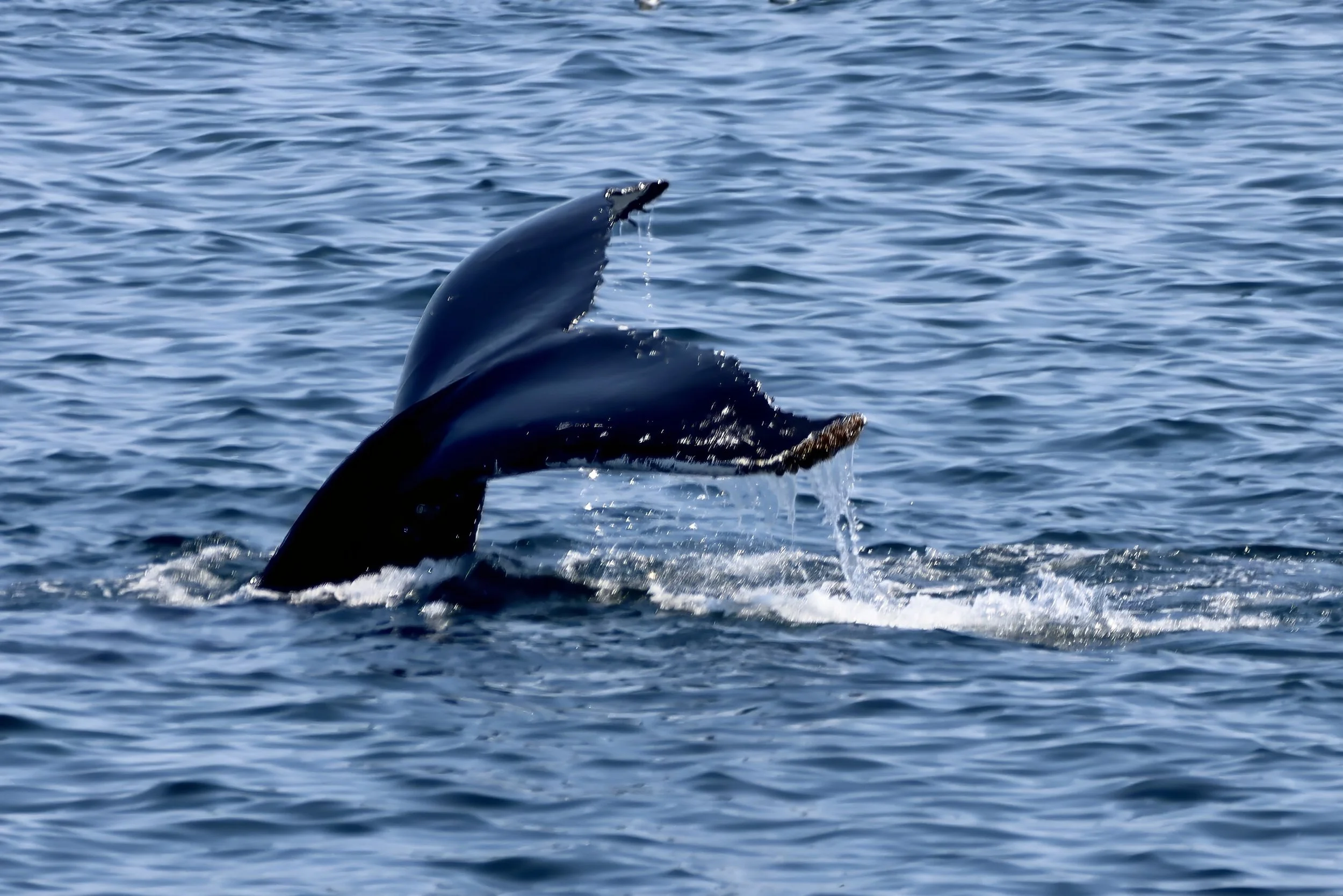
A humpback whale seen near Eliston, NL in July.
When fall arrives, most — but not all — begin a long journey south. A small number of whales linger into late autumn, and a few brave souls stay through the winter.
In Newfoundland, these holdouts have earned a fun nickname: Christmas whales.
In 1978, a small group of these Christmas whales — some humpbacks and a lone narwhal — came face-to-face with the harsh realities of a Newfoundland winter.
But they didn’t have to face it alone.
What transpired was a lesson in the good that comes when a community cares.
The Christmas Whales
It was January 1978 and winter had set in.
The bays of Newfoundland’s northeastern coast were still teeming with herring — and where the herring lingered, so did the whales. The food supply was too good to abandon, so as long as the fish remained plentiful, the whales seemed content to stay.
Hundreds of whales were reported. They were so numerous that one newspaper said they were “cluttering up” Triton Harbour, frightening the daylights out of fishermen.
Lucky in Loon Bay
On January 9, near Loon Bay, a dozen pothead whales found themselves in serious trouble. As they fed, the weather turned frosty, and ice closed in around them.
By the time anyone noticed, nearly five kilometres of solid ice lay between their position and the open sea.
They were trapped.
Whales, like people, need air. So it’s dangerous for them to swim under an ice sheet — there may be nowhere to surface and breathe; they might drown.
When people first spotted the whales, they were crowded into an acre-sized patch of open water. It wasn’t open by chance — it stayed because of the whales. As they surfaced to breathe, they’d break any newly-formed, thin ice. They were fighting against Mother Nature and, eventually, they would lose.
Word of the trapped whales spread quickly.
Calls went out to the Department of Fisheries and plans were made. But before any rescue could get underway, the Newfoundland weather did what it often does: it changed. A sudden January thaw melted enough ice that the whales escaped to the open sea on their own.
It was a lucky break, one that wouldn’t be duplicated everywhere.
Stuck in Springdale
Springdale, NL sits nearly 20 kilometres from the open ocean, deep inside Halls Bay — a long, narrow arm of saltwater.
In the fall of 1977, whales were lingering just as they had been along the shores of Loon Bay.
Residents watched as, day after day, humpback whales surfaced, dived, and fed.
All through the fall, residents awoke expecting to find the whales had moved along but each morning they were surprised — the whales were still there.
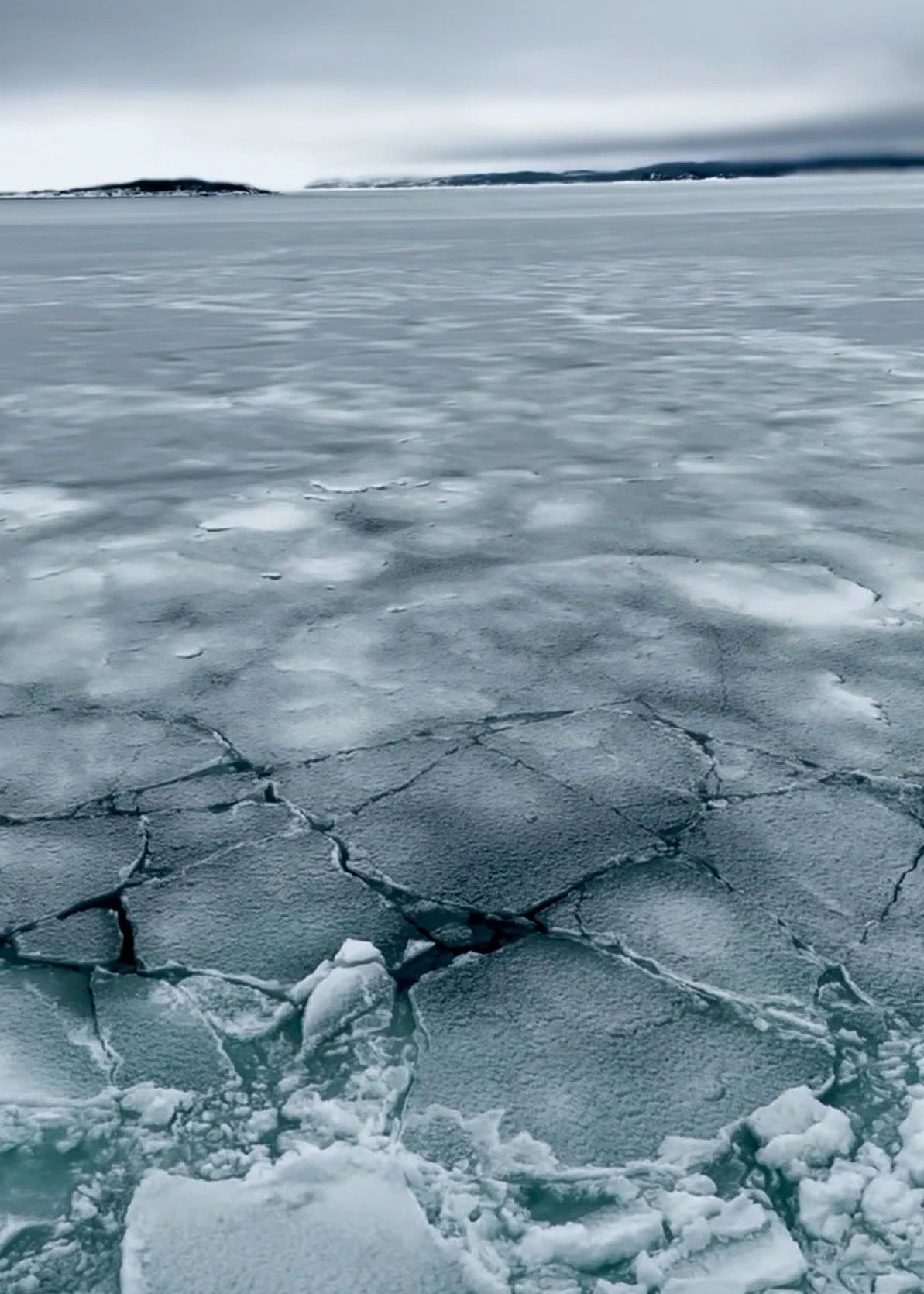
As Christmas came, surprise turned into concern. The saltwater was starting to turn icy. First a thin skim of ice appeared, then patches of slush, finally great white sheets of ice began to appear.
By January most of Halls Bay was covered in a thick layer of ice. Kilometres of open water vanished. The whales that had decided to spend the autumn feeding there, were no longer staying by choice. With ice covering the arm, they couldn’t reach the open sea if they tried. There was nowhere to surface; nowhere to breathe.
Before long, only a single opening in the ice remained, just off the shores of Springdale — just as in Loon Bay, the hole in the ice was being kept alive by the whales themselves as they surfaced for air.
It was a desperate situation.
Winter still had months to run, and the whales’ entire existence depended on one shrinking patch of water.
Then, one February morning, it happened: the last breathing hole seemed to be frozen over.
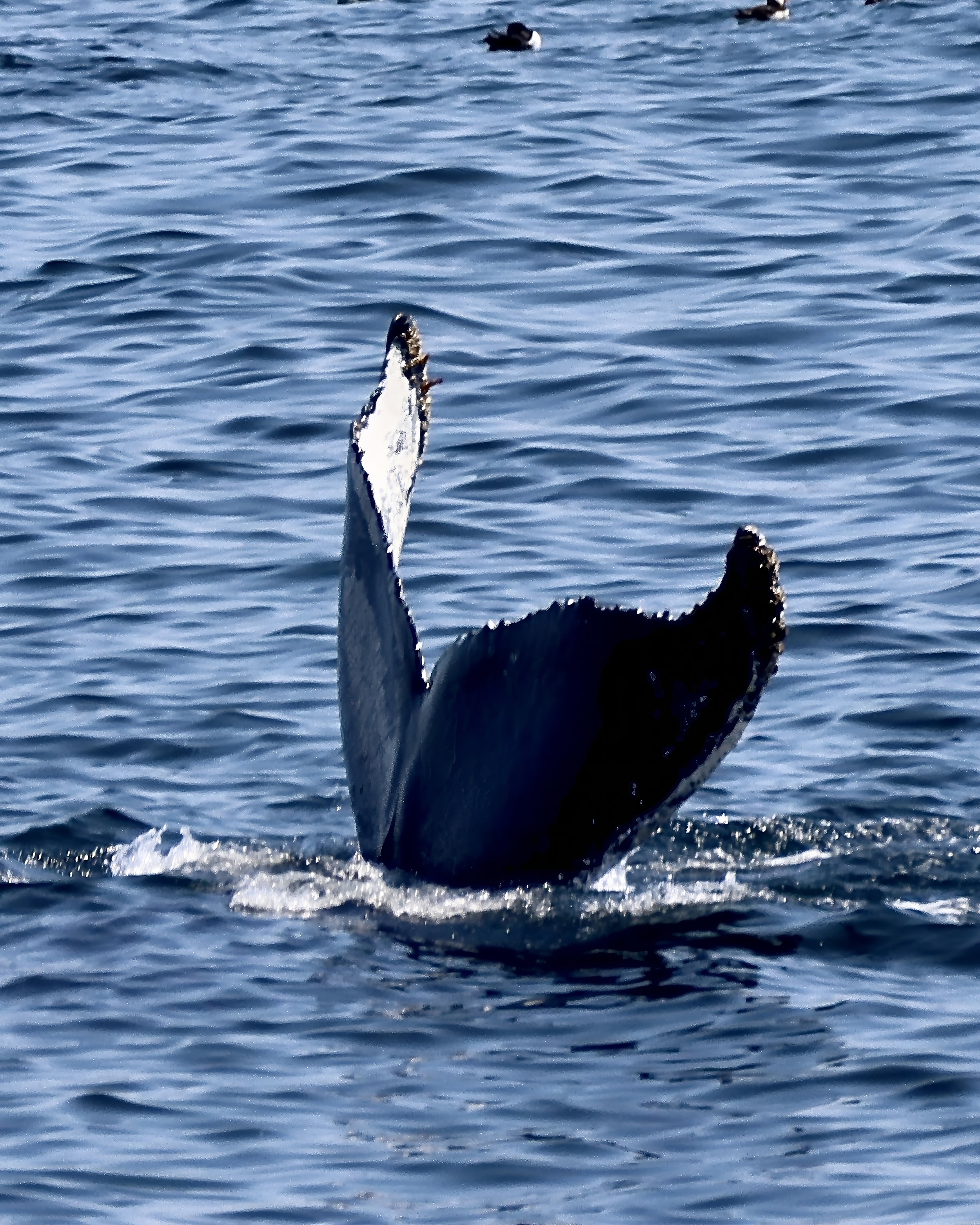
A humpback whale near Eliston, NL in July
Saving The Whales
Cyril Pelley, a Springdale resident and former Second World War pilot, owned a small plane. When he heard the news, he took to the air to see for himself. What he saw confirmed everyone’s worst fears: the bay looked like solid ice. There was no open water anywhere.
If nothing changed, the whales would drown.
Pelley landed, went straight to the wharf, and set out in his schooner, The Willing Lass. He sailed into the harbour, forcing the bow through the ice until he reached the spot where the whales had been surfacing. There he began to circle — again and again— crushing the ice.
Five humpback whales rose beside the vessel annd exhaled warm clouds of air. The animals were so close the crew could smell their breath — and close enough that the crew could see the damage the ice had done.
Not only were the animals struggling to find air, they were tearing up their bodies doing it. The skin across their heads and backs was in rough shape. It had been cut and scraped by weeks of breaking through the jagged ice.
Left to keep the breathing hole open under their own power, the whales would tear themselves to shreds.
So Pelley made sure they didn’t face the task alone.
Day after day, for weeks, The Willing Lass returned to that same spot, breaking ice and keeping the breathing hole open. Until, at last, an unseasonable warm spell set in and opened the harbour.
The bay was still frozen, but at least the whale’s breathing hole was safe and the 40-tonne animals had some measure of comfort.
But the respite didn’t last.
The brief thaw gave way to bitter cold, and the harbour froze over once again.
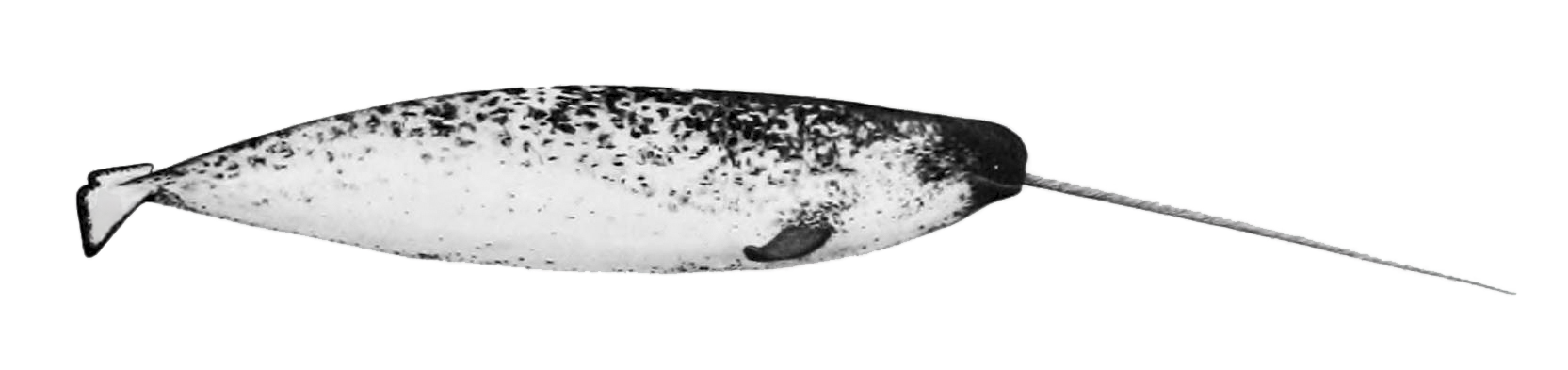
NOAA United States. National Marine Fisheries Service, Public domain, via Wikimedia Commons
Four of the humpbacks — now joined by an unexpected companion, a lone narwhal — were trapped in a single breathing hole roughly two kilometres from town. One of the humpbacks had disappeared. No one knew, what happened. Maybe it made it to open sea but there was little reason to be optimistic — it had probably drowned.
At the new site things were again getting rough. The cold was so bad that the opening shrank to almost nothing. There was barely room for one whale, the animals had to take turns surfacing for air.
By this point, the ice was too thick for The Willing Lass, so locals dragged an aluminum boat across the ice to whale’s breathing hole and from that small vessel kept the breathing hole open. It was gruelling work.
Not too far away, another humpback was spotted near Port Anson and Miles Cove. All alone, it fared much worse.
Finally, one morning a heavy upwelling of ice was spotted near its breathing hole. It looked as if the whale had tried to break through from below but just couldn’t do it.
Days later its body washed ashore at Port Anson.
Nobody wanted the same fate for the Springdale whales.
In late February, an icebreaker was sent into the bay to cut a channel to open water, but the whales wouldn’t follow it. Perhaps they were afraid to stray too far from the one place they knew they could breathe.
So they stayed, circling the same small patch of icy water.
A New Concern
Everyone wanted to see the whales.
People walked out to the edge of the breathing hole to watch them surface. They were able to get close enough to hear their breath and feel the ice shift beneath their feet as the whales came close. Before long, the crowds grew so large that police strung up ropes to keep people back.
But curiosity soon gave way to concern. As onlookers watched, a new fear set in: were these giant animals starving in front of everyone’s eyes? The whales were confined into a single patch of water near their breathing hole; they were unable to roam the bay chasing fish as they might normally do.
People wanted to help and there was only solution: feed the whales. They brought herring — as much as they could manage — to the hole in the ice.
They could never supply the volume of food these massive animals could eat, but any little bit might help.
Fortunately, humpbacks are known to fast for long periods of time.
Attention From Far and Wide
The trapped whales may have captured the imagination of Springdale, but as word spread everyone wanted to know more. What was happening in Halls Bay was unusual; rare enough that researchers realized they were being handed an opportunity — wild whales confined to a small, easily observed stretch of water.
Scientists and journalists soon began arriving from across the province and far beyond it.
Dr. Jon Lien of Memorial University — who would later become famous for his whale rescues in Newfoundland — set up camp on the ice. For weeks he listened to the animals, watched their movements, and documented what was happening at close range.
A specialist in animal medicine, and the director of the Vancouver Aquarium showed up. After examining the situation, they became concerned about the narwhal. It appeared to be in poor condition. A proposal was put forward to net the animal and move it into captivity.
That suggestion did not sit well in Springdale.
Led by the local Women’s Institute, residents pushed back hard. There was no guarantee the narwhal would survive capture and transport. Worse still, trying to get it into a net could panic the humpbacks and drive them away from the only breathing hole keeping them alive.
The community decided the animals were better off where they were — in the wild, and under the watch of caring locals.
In the end, the plan was dropped.
Spring Thaw
As winter crawled toward spring, the ice began to thin.
In early April, a Coast Guard icebreaker cut a channel toward open water. At first, just as in February, the whales refused to follow it.
But as the days warmed, the ice continued to melt and new channels opened, something changed — the whales grew bolder.
Then, one morning when people went to check on them, the surface of the water was empty — the whales were gone.
After a long, punishing winter — and an extraordinary outpouring of care from the people of Springdale — it appeared the surviving whales had made it back to the open sea.
It was a winter unlike any other, and one that no one in Springdale would soon forget. There’s no doubt that without the compassion — and daily effort — of the community, the story would have ended quite differently.
Instead, it stands as a testament to what can happen when people care — and to the extraordinary difference a community can make, even when the odds seem insurmountable.
It’s a lesson we can all take — a lingering gift from the Christmas whales.
See The Christmas Whales
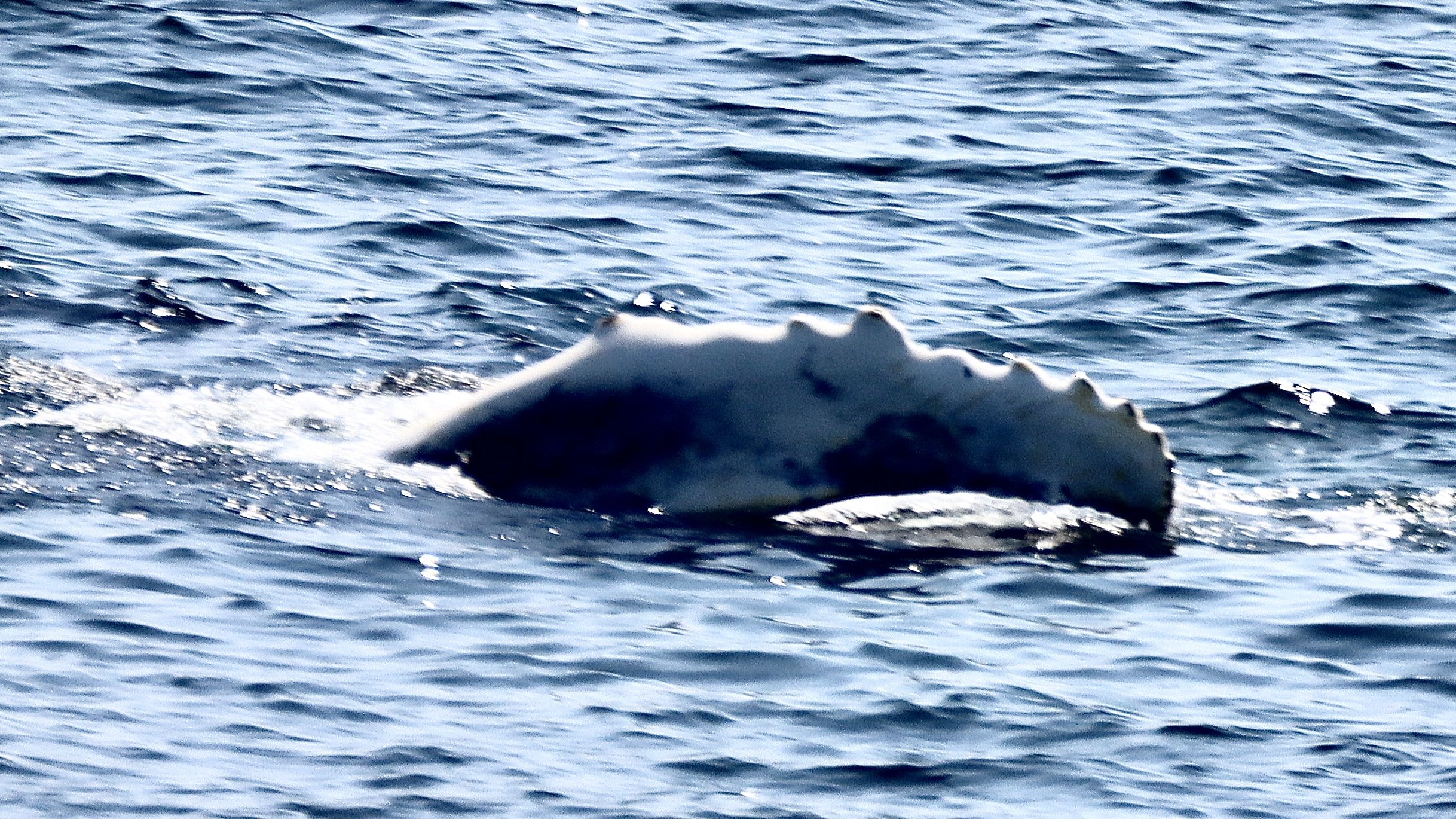
Most of the stories I share here happened a long time ago. This one, at less than 50 years old, is practically brand new. One of benefits of telling a recent story is there is more archival material. The tale of the Christmas Whales was documented by the media and CBC-NL’s Land and Sea, told the story in their 47th season.
The episode, called The Christmas Whales is available on GEM — CBC’s free streaming service. You can check it out and see footage of the whales, and interviews with the people who saved them.
-
Winter of Whales, Town of Springdale
Winter Whales of Springdale, Green Bay News, April 18, 1979
Weather Aids in Whales’ Rescue, Lewisporte Pilot, January 11, 1978
Pilley’s Island, Green Bay News, January 11, 1978
Coast Guard to Help, Western Star, February 28, 1978
Trapped Whales Being Examined, Western Star, March 2, 1978
Biologists Enroute, Daily Star, March 3, 1978
Aquarium Head Concerned, Western Star, April 7, 1978
4 Whales Remain, Western Star, April 12, 1978
A Whale Picture Story, Green Bay News, April 12, 1978
Whales Disappear from Hall’s Bay, Western Star, April 17, 1978
Good Effort By Springdale Men, Western Star, May 2, 1978
Whale Man, Memorial University
Christmas Whales, Land & Sea, CBC Gem
Winter Whales Common, The Telegram, Jan 12, 2015