Come From Aways: Newfoundland’s Invited Animals
The wilds of Newfoundland have changed a lot in the last two centuries. Some, once abundant creatures have disappeared from the landscape. There Newfoundland wolf and the great auk have been wiped out. In the same time, a handful of new, ‘come from away’ species have found a comfortable foothold on the island.
Some of Newfoundland’s new animals made their way to the island on their own, by crossing on ice bridges from mainland North America or by hitching a ride aboard a ship.
Other animals were deliberately brought to the island and released to increase biodiversity — sometimes for the benefit of hunters, sometimes in an effort to bolster native species. It's these animal "come from aways" — the species that were invited to Newfoundland — that I want to explore today.
One, after all, was accused of crawling into ears and eating brains!
The following is a non-exhaustive rundown of Newfoundland animals that wouldn't be here today if someone hadn't decided the island would be better off with them — not that the newcomers always received a warm welcome. One, after all, was accused of crawling into ears and eating their brains!
It's a surprising list, ranging from animals so familiar it's hard to imagine Newfoundland without them, to a species some people don't even realize calls the island home.
Let's get into it.
Moose
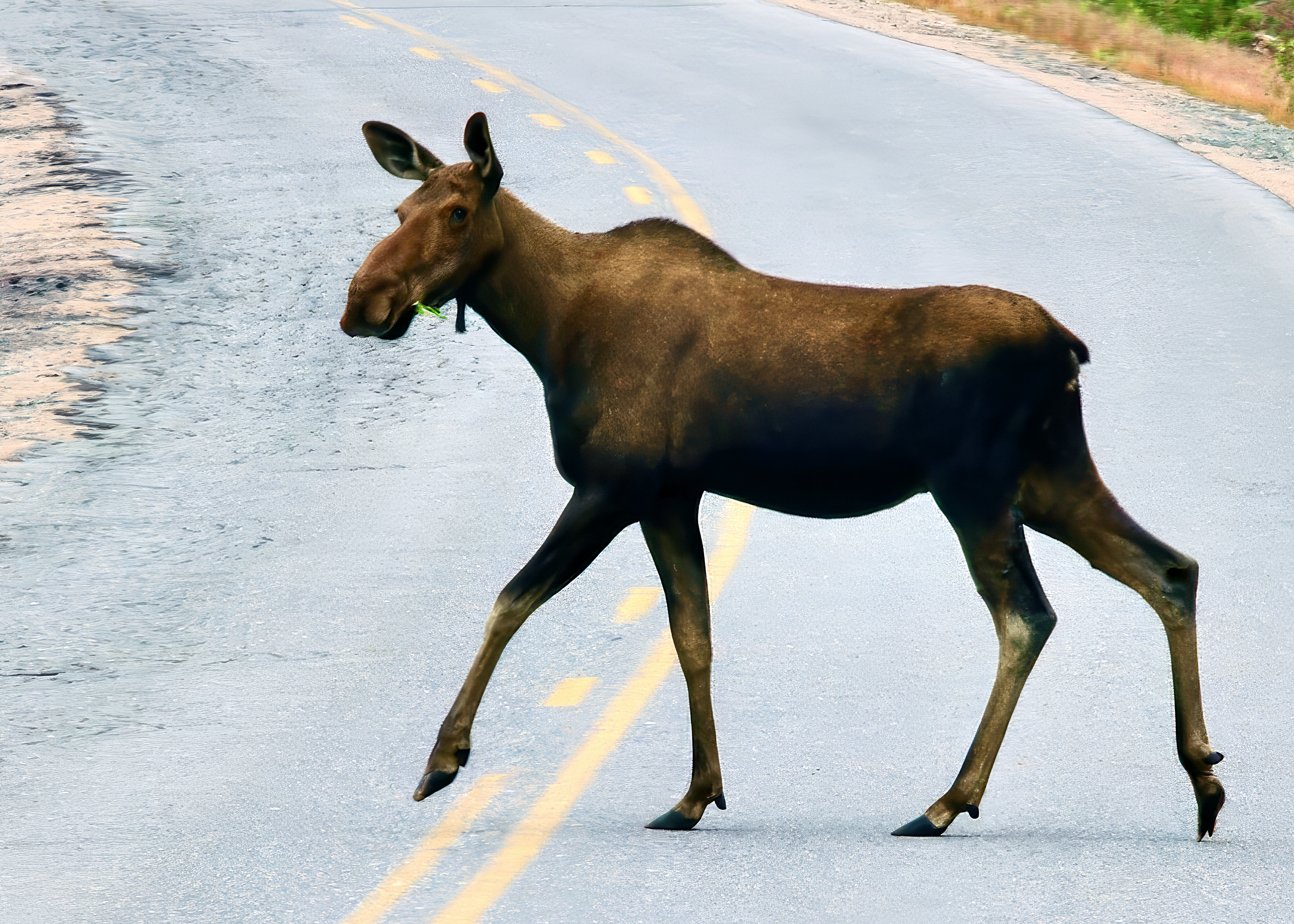
A moose crossing the road on the Bonavista Peninsula, NL
Moose feel about as traditionally Newfoundland as rain, drizzle and fog. They're one of the island's most iconic animals—but they're actually newcomers.
Before the late 1800s, there were no moose in Newfoundland. Hoping to create a new large game animal for hunters, officials decided to import some. The first attempt came in 1875, when two moose were released near Gander Bay. Unfortunately, the pair never managed to establish a population.
A second attempt in 1904 proved much more successful. Seven moose were captured in New Brunswick and shipped to Newfoundland. Three died during the journey, but the remaining four were transported by train to Howley and released into the wilderness.
Those four moose took to Newfoundland with enthusiasm.
With few natural predators to keep them in check, their numbers exploded. Within a century, Newfoundland had one of the highest moose densities in North America, with the population at times estimated at more than 125,000 animals.
Their success has been so dramatic that they've literally reshaped the landscape. Hungry moose browse young trees faster than forests can replace them, transforming some wooded areas into open "moose meadows." As the trees disappear, fast-growing plants move in, making it even harder for forests to recover.
It's a reminder that introducing a new species can have consequences nobody sees coming.
“Rabbits” aka Snowshoe Hare
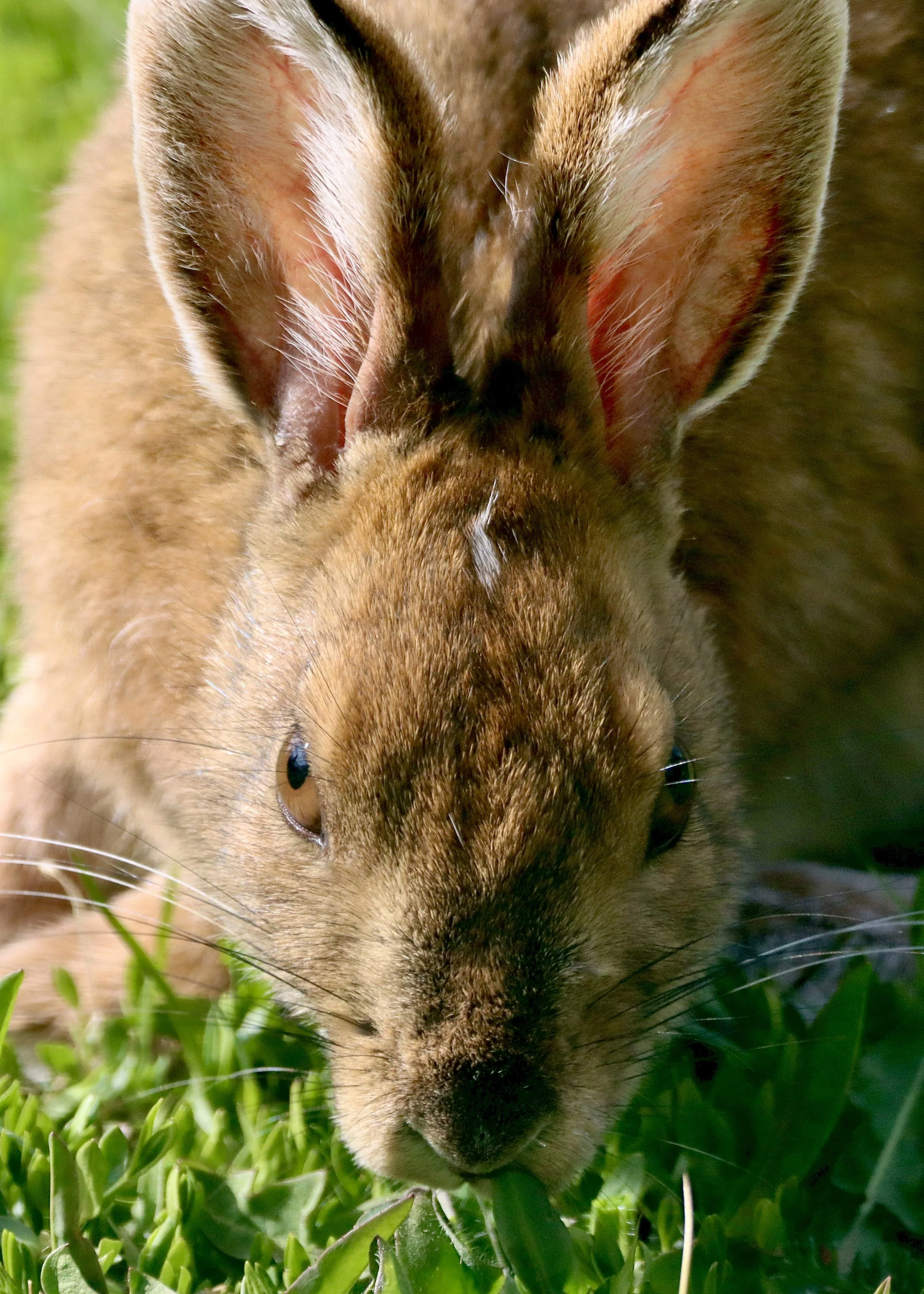
A rabbit aka snowshoe hare
It may come as a surprise to some, but Newfoundland's "rabbits" aren't rabbits at all, and they aren’t native to the island.
The long-eared creatures that destroy our flowerbeds are actually snowshoe hare, and they were brought here in the 19th century.
The island has a native population of arctic hare, but they are far less common than their snowshoe cousins and are found mostly in the Long Range Mountains and the higher-elevation plateaus of central and western Newfoundland.
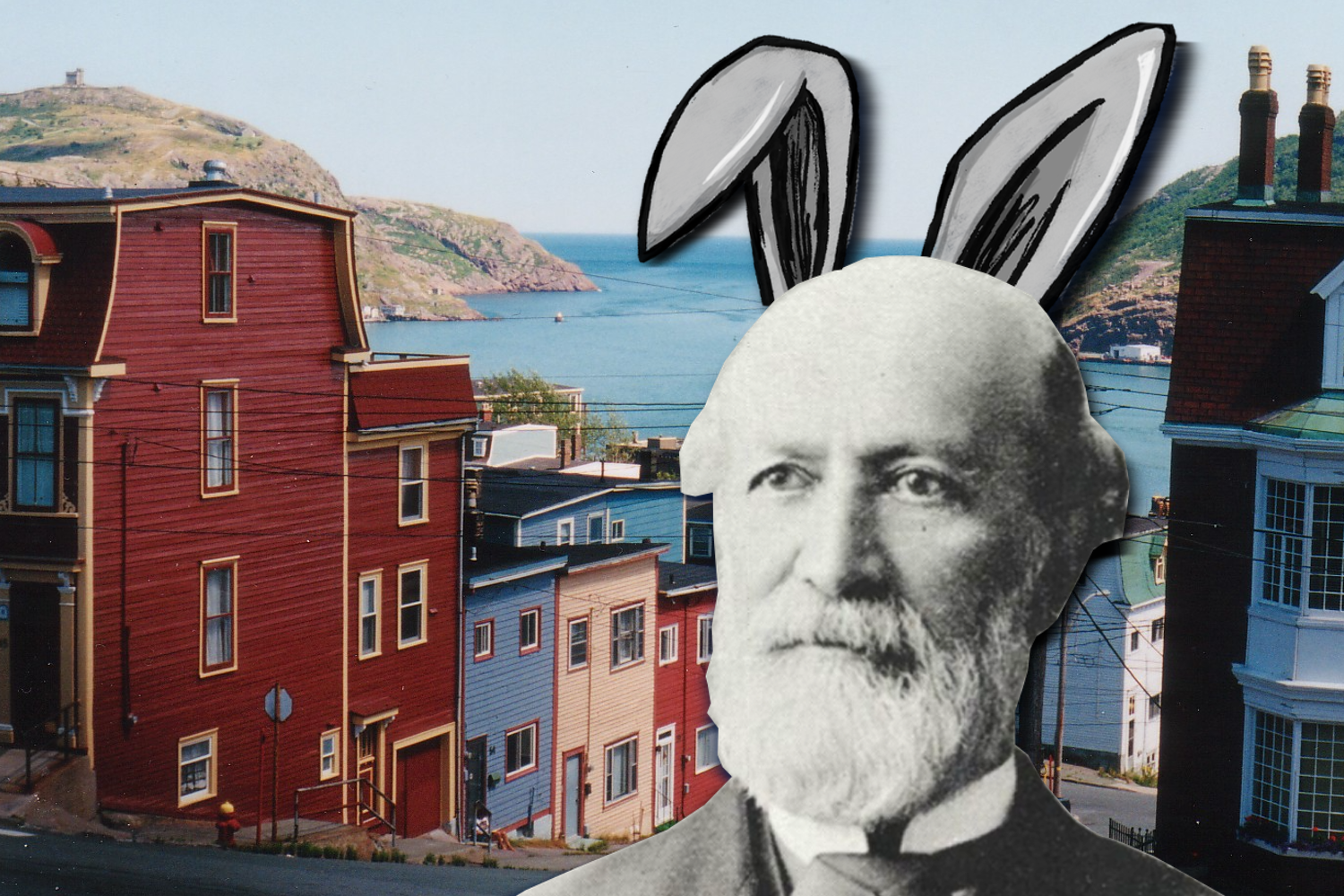
The snowshoe hare arrived thanks largely to one man: Stephen Rendell, an English-born politician and outdoorsman who became convinced the species would thrive in Newfoundland. In the 1860s, he began importing hare from Nova Scotia and organized their release across the island.
The experiment worked almost too well.
Over the following decades, snowshoe hare multiplied rapidly. By 1879, their numbers were high enough to support a hunting season. Today, they're one of Newfoundland's most important game animals, pursued by thousands of hunters each year.
Just like the moose, their arrival also transformed life for other species. Before snowshoe hare became widespread, lynx were relatively uncommon on the island. The sudden abundance of prey helped the lynx population grow dramatically.
In other words, Rendell didn't just introduce one new animal to Newfoundland—he gave a major boost to one that was already here.
Red Squirrels
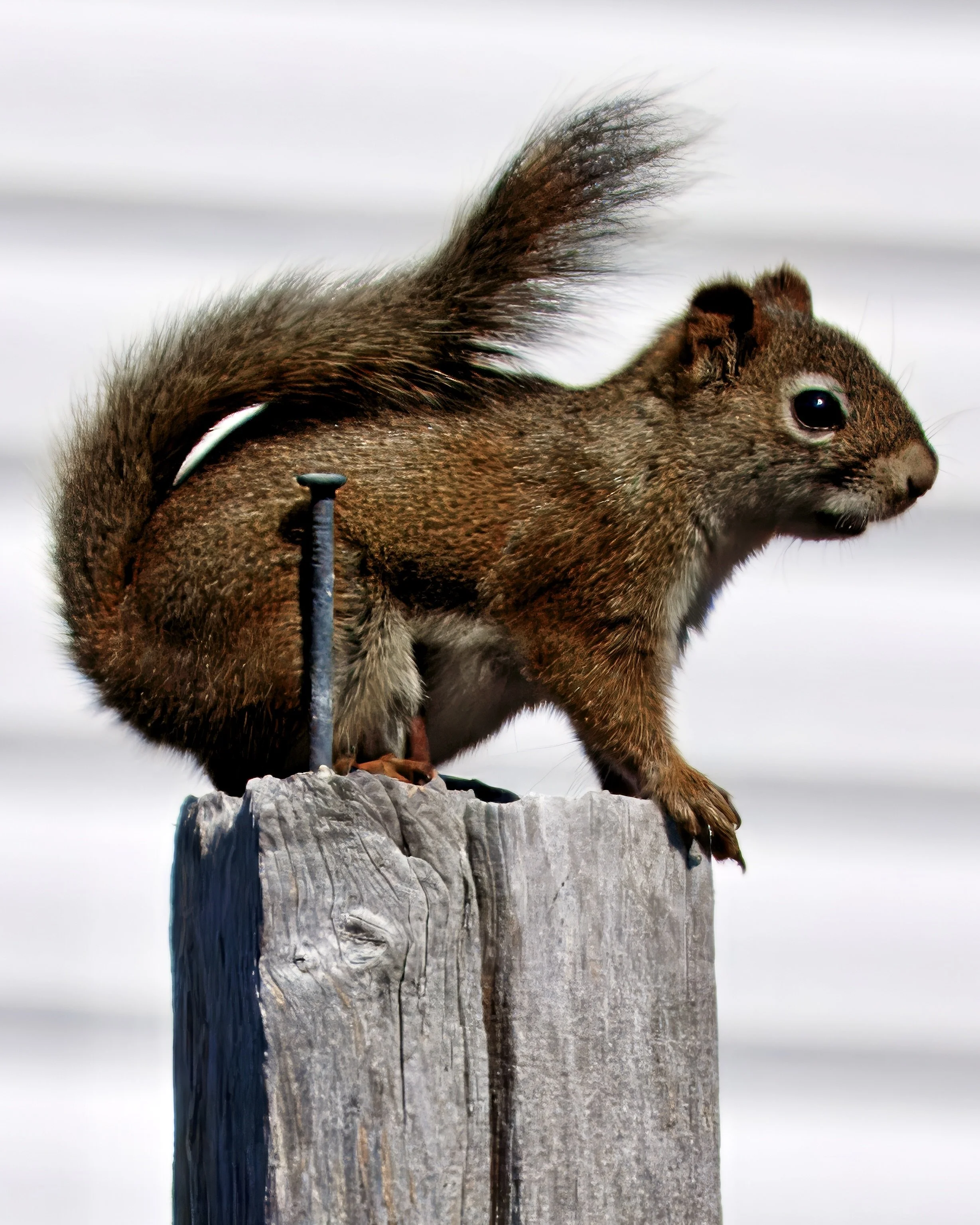
A Red Squirrel in Salvage, NL
It’s hard to image the evergreen forests of Newfoundland without hearing the chittering of squirrels — their alarms calls are the soundtrack of the woods but it wasn’t always that way. The first red squirrels didn’t make their way to Newfoundland until the latter half of the twentieth century.
Compared to the previous two ‘come from aways,’ the story of the red squirrel is less clear. The first known apparent introductions happened in the St. John’s area as early as 1955. These proved unsuccessful, or as Dennis Minty of the Salmonier Nature Park once wrote, “a population was established for approximately two years before it was exterminated.”
In 1963 squirrels were released near Roddickton, followed by another introduction in Notre Dame Bay in 1964. Perhaps a dozen releases were made across the island and, by the early 1970s squirrels, were being spotted across wide swaths of the island.
So, why bring squirrels to Newfoundland?
Well, the introduction of squirrels the island was less-planned than the introduction of the moose, so the reasons are less clear. The 1963 introduction was not sanctioned by the island government, though subsequently the provincial department of wildlife came on board. It’s said the squirrel was introduced to provide a new food source for the pine marten, a new source of revenue for fur trappers, and for the enjoyment of island residents.
I guess I enjoy squirrels… so, mission accomplished?
Eastern Chipmunks
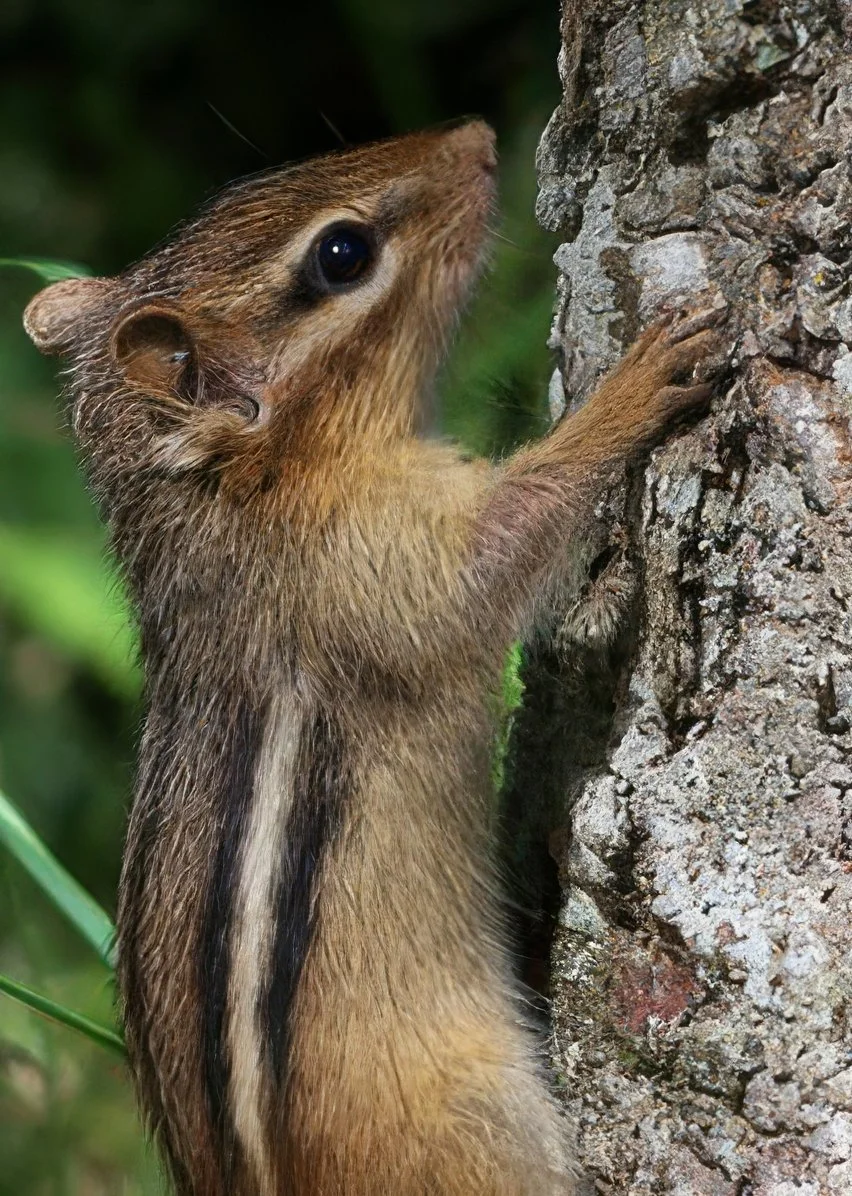
An Eastern Chipmunk
While red squirrels took Newfoundland by storm, eastern chipmunks have kept a much lower profile. That may be because they prefer deciduous forests, which are relatively scarce on the island. Even so, sightings of the tiny striped rodents have been reported on both the east and west coasts.
Their Newfoundland story began in the early 1960s, when the provincial government released 27 eastern chipmunks into Barachois Pond Provincial Park. According to a report in the Western Star, the newcomers "were tame and are already providing pleasure to park visitors."
Of course, entertaining tourists wasn't the only goal. Like red squirrels, chipmunks were introduced in the hope that they would become an additional food source for the endangered Newfoundland pine marten.
Whether they succeeded in that role is debatable. As people-pleasers however, they seem to have done just fine.
The Masked Shrew
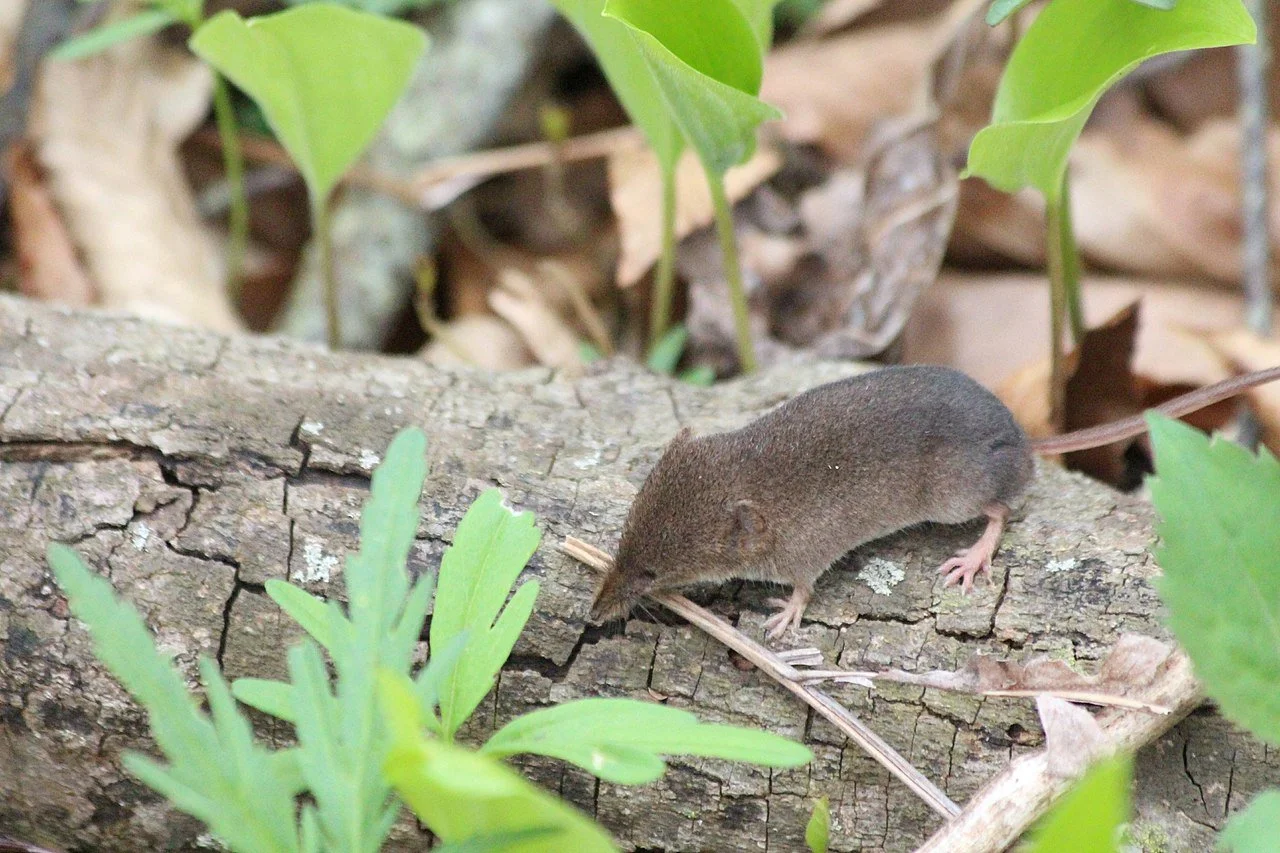
Masked Shrew Sorex cinereus, rpoort, CC BY 4.0, via Wikimedia Commons
It's safe to say the masked shrew wasn't introduced to win any popularity contests. In fact, when the tiny mammal arrived in Newfoundland in the 1950s, it sparked something close to a full-blown panic.
According to a 1973 article by Randy Devine in the Evening Telegram, rumours spread that shrews killed chickens, household pets, lambs, and just about any other small creature unlucky enough to cross their path.
The stories quickly became more outlandish. Some claimed shrews crawled into the ears of sleeping cows and sheep and ate their brains. One particularly grim tale alleged that a shrew had somehow killed a baby left playing in the grass.
In short, the masked shrew was treated less like a tiny insect-eating mammal and more like something from a horror movie.
So why bring it here?
The answer is simple: to save the trees.
Masked shrews are insectivores, and officials hoped they would help control the larch sawfly, a destructive insect that was causing significant damage to Newfoundland forests. The idea was to fight the pest naturally, without relying on chemical sprays.
So today the island’s shrews spend their time doing just that, and decidedly un-terrifying things too: like keeping slugs out of our vegetable patches, and serving as food for owls, weasels, and other predators.
Not exactly the brain-eating menace people feared.
A Part of the Story
Not every introduction went according to plan, but then again, neither do most Newfoundland stories.
Some animals, like the moose, snowshoe hare and squirrel, went on to become so familiar that many people assume they've always been here. Others, like the chipmunk remain relative newcomers in the public imagination. Together, they serve as a reminder that Newfoundland's wilderness isn't frozen in time — it's a landscape that has been shaped not just by nature, but by human decisions as well.
And, however they got here, these animal ‘come from aways’ have become part of the Newfoundland story.
-
Moose Advisory, Gov of NL
Snowshoe Hare, Gov of NL
Mammals, Gov of NL
The Land Mammals of Insular Newfoundland, S.P. Mahoney, Antigonish Review, No. 124
Shrew Considered A Pest, Evening Telegram, October 13, 1973
Role of Introduced Species in Forest The Role of Introduced Species in Forest Reforestation, Gov of NL
Impact of introduced Red Squirrels (Tamiasciurus hudsonicus), Boa-Antwi, Gov of NL.
Red Squirrel Introduction to Newfoundland, Canadian Field-Naturalist
Red Squirrels in Newfoundland, The Osprey, 1976
Eastern Chipmunk Introduced to Newfoundland, Western Star, Sept 20, 1962
The Colonization of Newfoundland by Red Squirrels, D. Whitaker, The Osprey, 2015


Something was killing sheep near Little St. Lawrence in 1958. Then a strange, five-foot-long animal was captured. Its skull was sent to St. John’s for identification…