I like solving little mysteries and I do it a lot here on Product of Newfoundland.
I find some intriguing historical snippet, start digging and, after a lot of reading, the whole story begins to emerge.
But just as often, maybe more often, I never find the complete story. I discover some tantalizing mystery but never the conclusion.
As a case in point, take what happened near Little St. Lawrence in the winter of 1958.
It began with 15 dead sheep.
Sheep Attacks
Sheep were being attacked and killed around the community, but nobody knew what was responsible.
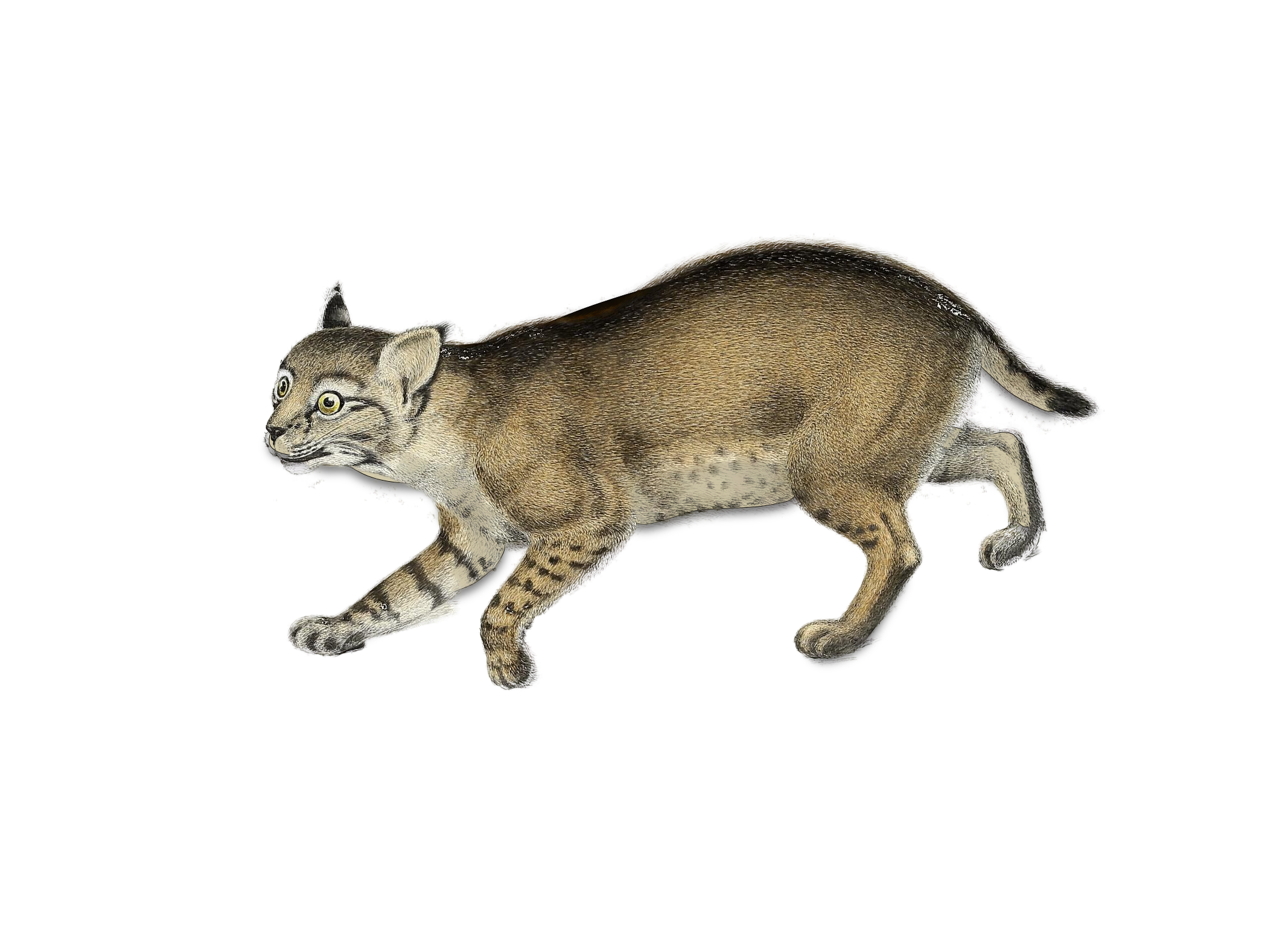
Not too far away, in Mooring Cove, they were having a similar problem. There, however, they had a suspect: lynx. Locals had seen one kill a lamb and a farmer even had a frightening face-to-face encounter with one himself.
But in Little St. Lawrence, the problem wasn’t lynx. Or at least it wasn’t only lynx. Something else, something they couldn’t identify, was attacking their animals — and they had the proof.
They managed to capture the creature.
Strange Animal Caught
On March 6, 1958, The Evening Telegram reported the capture under the headline “Strange Animal Caught: Killer?”
According to the story, Mr. R. Clarke of Little St. Lawrence had trapped an animal in a cove near the settlement. It looked like a fox, the newspaper reported, but had an “extremely long nose.”
And it was big. Very big.
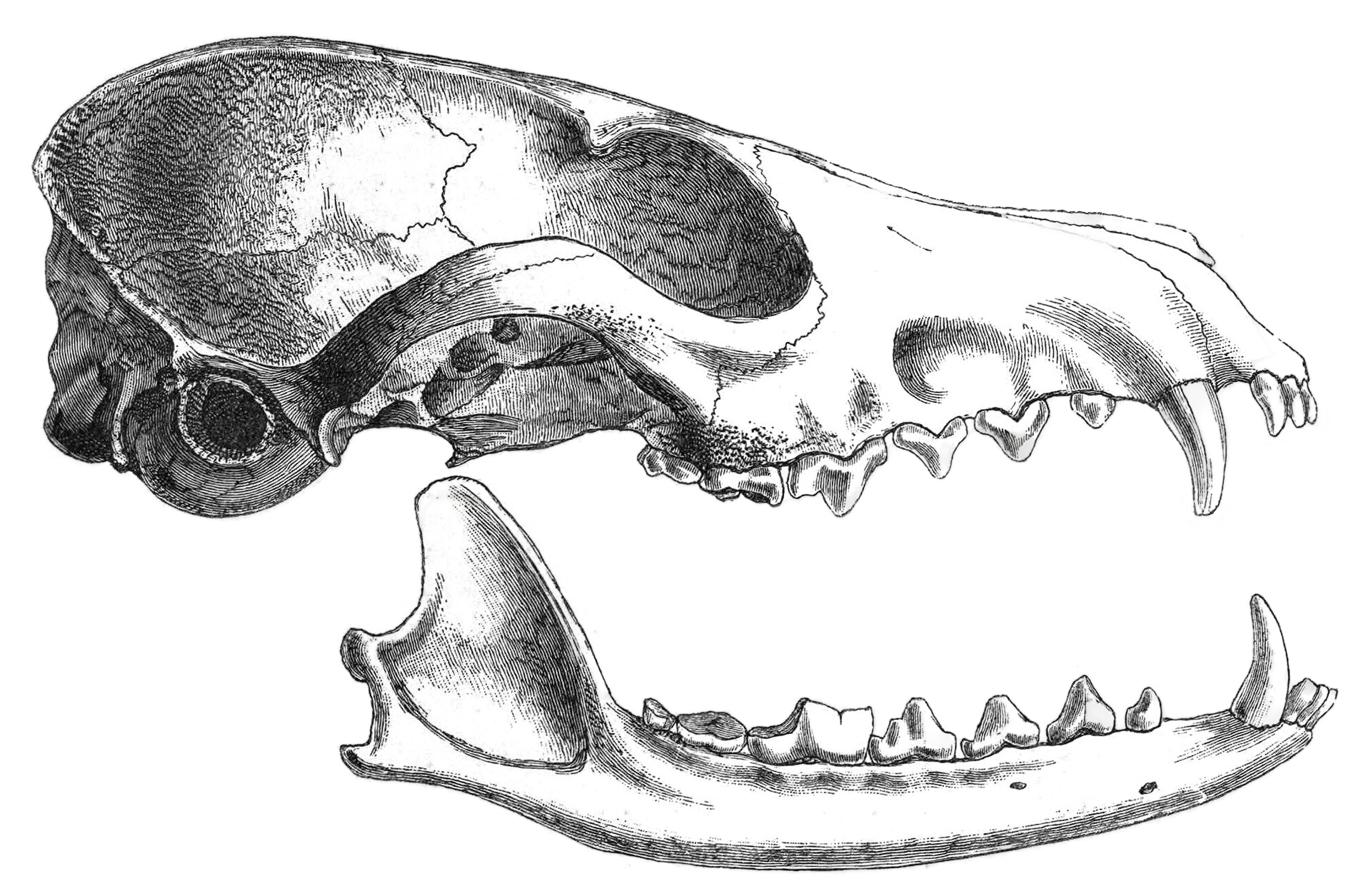
Fox skull
The animal measured more than five feet long— way larger than a typical Newfoundland red fox (which is usually in the 3 to 3.7ft range).
No one in Little St. Lawrence could identify it, so the animal’s skull was sent to the wildlife division of the Department of Mines and Resources in St. John’s.
And that’s where the trail goes cold.
A Mystery
I wasn’t able to track down another mention of the creature. I couldn’t find a follow-up story explaining what they found in that trap.
Perhaps the experts in St. John’s identified it immediately and the answer was so mundane that it simply never made it into the newspapers.
Or perhaps that strange skull sat in a laboratory somewhere, waiting for someone to figure it out… and they never did.
A Guessing Game
Of course, once I realized I didn’t have an answer, I started trying to imagine the animal myself.
My first thought was an Arctic fox.
They do occasionally make their way to Newfoundland, crossing the sea ice from Labrador. So perhaps one had wandered all the way down to the Burin Peninsula. Arctic foxes are also somewhat larger than Newfoundland’s native red fox.
There was just one problem.
They aren’t that much larger—and their noses don't fit the description particularly well.
The Newfoundland and Labrador government describes the Arctic fox as having a “compact body, short snout and small ears to minimize heat loss.” A creature with an “extremely long nose” doesn't sound like a great match.
Then I wondered about something else.
A coyote?
Coyotes can reach five feet in total length, and their long, pointed muzzles certainly sound more like the animal described in the newspaper.
But coyotes weren't known to be living on the island at the time.
According to the Newfoundland and Labrador government, the first reports of coyotes on the island came in 1985, when “wolf-like dogs” were seen crossing the ice near the Port au Port Peninsula.
That’s thirty years too late for our mysterious animal.
Of course, that doesn't necessarily rule out a coyote. Animals don't generally ask permission before expanding their range. Could a coyote have crossed the ice decades earlier, and made it all the way down the Burin Peninsula and into Mr. Clarke's trap?
It’s not impossible… but not exceedingly probable either. Eastern coyotes hadn’t established a strong population in coastal regions of eastern North America at the time. If one made it to the Burin Peninsula, it did so after a long, lonely trip.
How about a wolf, then?
Well, the last confirmed Newfoundland wolf was killed nearly 50 years prior to the Little St. Lawrence trapping (though there were some reported sightings after that). The trapping of a Newfoundland Wolf specimen in 1958 would be quite a find… one that was worthy of some news coverage.
From time to time, Labrador wolves do make their way to the island… and that certainly could have happened in 1958. But I’m inclined to think that the citizens of Little St. Lawrence would have recognized a wolf, and not been puzzled about what they were seeing.
So I'm back where I started.
No Answers
1958. A strange, five-foot-long animal with an extremely long nose. Fifteen dead sheep. A skull sent to St. John's…
And no answers.
Maybe someone reading this knows what happened next.
Update
Even in 2026, mystery canines still make the news. When four large canines were caught on video near Goose Arm, between Deer Lake and Corner Brook, the images quickly made the rounds, along with plenty of speculation about what, exactly, people were looking at. Coyotes? Wolves? Some sort of hybrid? No one could say for certain.
Check out the story (and image) on CBC.
-
Strange Animal Caught: Killer? Evening Telegram, March 6, 1958
Sheep Killed, Lynx Reason, Evening Telegram, October 18, 1958
Red Fox, Forestry, Agriculture and Lands, Gov. of NL
Arctic Fox, Forestry, Agriculture and Lands, Gov. of NL
Wildlife Preys on Domestic Animals, Evening Telegram, Sept 15, 1961
Reynard Has A Field Day, Evening Telegram, Sept 16, 1959






Something was killing sheep near Little St. Lawrence in 1958. Then a strange, five-foot-long animal was captured. Its skull was sent to St. John’s for identification…